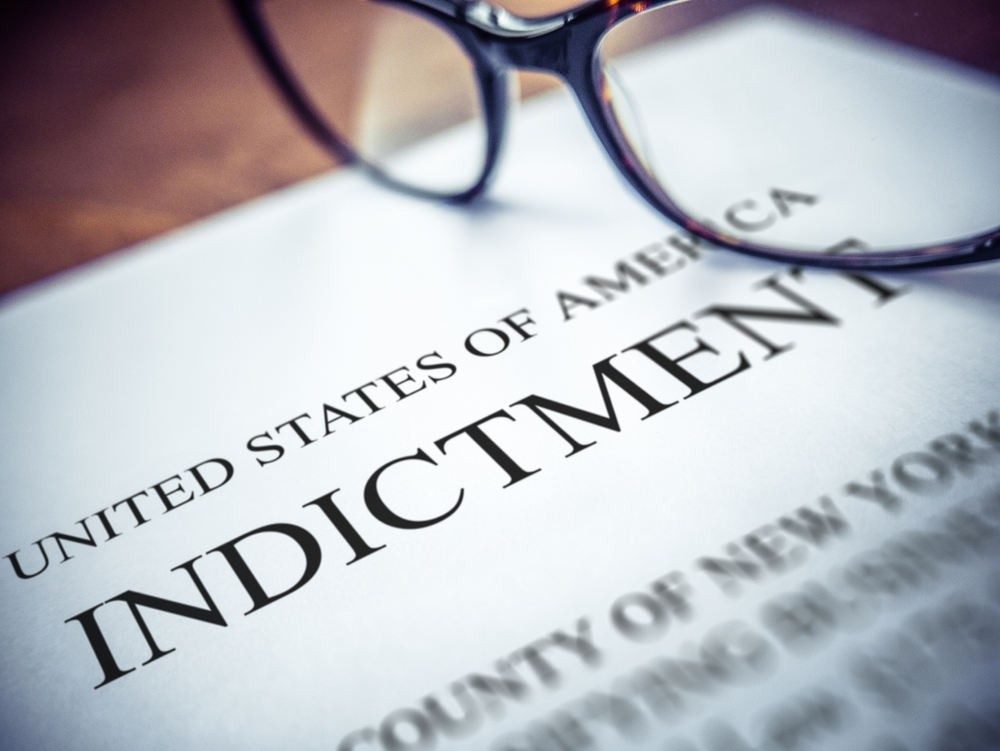
The first time the DOJ indicted James Comey, a judge threw it out on a technicality.
So they built a second case – 11 months, a new grand jury, a new district – and came back harder.
On Sunday, Acting Attorney General Todd Blanche told NBC there's a body of evidence that nobody outside that courtroom has seen yet.
Blanche Confirms the Comey Indictment Contains Evidence Nobody Has Seen Yet Well Beyond the 8647 Seashell Photo
NBC's Kristen Welker pushed hard, dangling the Instagram image and asking Blanche to explain how seashells could possibly constitute a presidential threat.
Blanche didn't blink.
"Rest assured that it's not just the Instagram post that leads somebody to get indicted," he said.
Welker pushed again – how do you prove intent when Comey claimed he didn't know what "86 47" meant?
Blanche was direct: "You prove intent like you always prove intent. You prove intent with witnesses, you prove intent with documents, with materials."
That's not the answer of a prosecutor scrambling to defend a weak case.
That's the answer of someone who knows exactly what's in the file.
When Welker pressed him to reveal what the other evidence was, Blanche had the cleanest answer of the morning: "It's called a trial."
The grand jury saw 11 months of evidence.
The public will see it at trial.
The media doesn't get a preview just because they don't like the charges.
The 11-Month Investigation Behind the Comey Threat Charges
The seashell post went up in May 2025.
The Secret Service interviewed Comey immediately.
An 11-month federal investigation followed – career FBI agents, career prosecutors, career Secret Service officials all working the case.
Then a grand jury in North Carolina returned a two-count indictment: threatening the life of the president and transmitting a threat in interstate commerce.
That's not a political stunt.
That's a federal grand jury – the same institution the left spent years worshipping when it was indicting Trump allies – deciding the evidence met the legal threshold.
What you are watching is the Department of Justice treating threats against a Republican president with the same seriousness it would treat threats against a Democrat.
The left can't stand it.
Why the Second Comey Indictment Is Harder to Dismiss Than the First
Here's what the media buries every time they cover this story.
In September 2025, a grand jury indicted Comey in Virginia on charges of making false statements to Congress and obstruction.
A federal judge dismissed it – not because Comey was innocent, not because the facts were wrong – but because the interim U.S. attorney who brought the charges was found to have been improperly appointed.
A procedural ruling.
Blanche made that point clearly on Sunday: "The judge dismissed that case not based on a factual finding that President Trump did something wrong or that there was something wrong with the underlying facts."
The facts of that first case are still on appeal.
Now Comey is facing a second set of charges, from a separate grand jury, in a separate district, on separate conduct – and this time the DOJ locked down the appointment process first.
Two grand juries.
Two separate indictments.
The man who ran the FBI into the Clinton email investigation, the Russia hoax, and the targeting of a sitting president is now the one being investigated.
How James Comey Weaponized the FBI Against Trump for Years
Let's be honest about who this man is.
Comey is the FBI director who sat on Hillary Clinton's email crimes and cleared her months before the 2016 election – then quietly reopened the case days before voters went to the polls.
He's the man who signed off on the FISA warrant targeting Carter Page – a warrant the DOJ Inspector General later found riddled with errors and omissions.
He's the man who leaked his own government memos to the press through a friend, triggering the special counsel investigation designed to cripple Trump's first term.
James Comey spent years turning the FBI into a political weapon aimed at one man.
He leaked. He lied. He postured on television.
And then he posted a picture of seashells spelling out a number that means "kill" next to the number of the current president – and said he didn't know what it meant.
After 11 months of investigation, a grand jury disagreed.
Gretchen Whitmer Did the Same Thing and the Media Said Nothing
Welker tried a cute trick on Sunday – noting that Amazon sells "86 47" merchandise and asking whether buyers should be worried about prosecution.
Blanche swatted it away: "Of course not."
But nobody in the media is asking why Gretchen Whitmer appeared on television in 2020 with her own "86 45" display in plain sight behind her.
Nobody is asking why this standard applies to a former FBI director already under active federal investigation for separate crimes – a man the Secret Service had already questioned, whose case a grand jury spent nearly a year building.
The answer is simple.
When it was "86 45," the media called it protected speech.
When it's James Comey – the man who built a career attacking Trump – suddenly every news anchor discovers they care about prosecutorial standards.
Todd Blanche isn't asking the media to take his word for it.
He's telling them to show up at trial.
Sources:
- Pam Key, "Todd Blanche: Indictment Against James Comey Goes Beyond Seashell Photo," Breitbart, May 3, 2026.
- "Blanche Denies That Trump Directed Comey Prosecution," CBS News, April 29, 2026.
- "Seashells Case Was on Back Burner Until Bondi Fired as AG, Say Sources," MS Now, April 30, 2026.
- "Todd Blanche: Trump Did Not Direct DOJ to Prosecute Comey a Second Time," Washington Examiner, April 29, 2026.