
Gavin Newsom signed the regulations that did it – that was before the Persian Gulf erupted in chaos.
Los Angeles drivers are staring at six dollars a gallon at the pump right now.
Here's what that letter means for every working family filling up in the state Newsom wrecked.
Newsom's Regulations Triggered Both California Refinery Closures
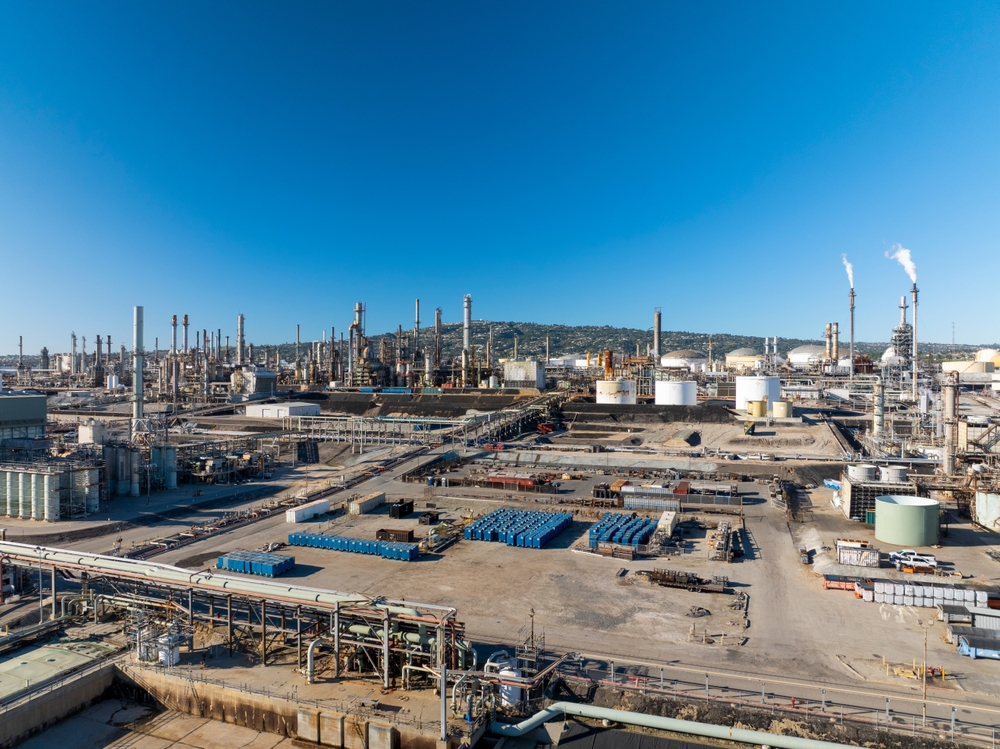
Phillips 66 announced the closure of its Los Angeles refinery days after Newsom signed a new refinery regulation law in October 2024.
Valero announced it would shutter its Benicia facility by early 2026 – and took a $1.1 billion write-down rather than keep navigating Sacramento's escalating mandates.
Together, those two facilities represented roughly 17 percent of California's in-state refining capacity.
USC professor Michael Mische ran the numbers and told anyone willing to listen: California was staring at $8.43 a gallon by the end of 2026.
Senate Minority Leader Brian Jones wrote Newsom directly: "We do not have the luxury of time to wait for another report while closures proceed and prices climb."
Newsom's response was a letter to the California Energy Commission asking them to work "closely with refiners" on planning.
The same refiners his own laws had already driven out.
How California Gas Prices Reached 6 Dollars and Where They Are Headed
California already had the highest gas taxes and fees in the country.
Then came SBX1-2 and ABX2-1 – Newsom's special-session bills that piled on profit margin caps, mandatory inventory requirements, and regulatory costs that energy companies said made California impossible to operate in.
Valero didn't close because of market forces.
They booked a $1.1 billion loss to get out of the state – a company writing off more than a billion dollars to escape a governor's regulatory regime.
Phillips 66 called its LA facility a "challenged asset" and walked.
Industry leaders warned at the time that as California kept shedding refinery capacity, supply would tighten, prices would climb, and disruptions would follow.
That warning arrived on schedule.
The state already imports roughly one-fifth of its refined petroleum products under normal conditions.
Now California has no incoming fuel pipelines, six remaining refineries that one expert warned could spark "gas lines" if any experienced a fire or unplanned outage, and a government whose answer to a supply crisis it engineered is more paperwork.
The Working Families Paying the Price for California's Failed Energy Policy
The statewide average is $6.11 per gallon today against a national average of $4.45.
California families pay roughly $900 more per year in fuel costs than the rest of the country – before this year's spike.
Those aren't Newsom's donors.
They're commuters, small business owners, and service workers who don't have a Tesla in the garage as a backup.
UC Davis economists projected a 40-cent increase from the Phillips 66 closure alone, and another 81 cents from Valero – more than a dollar added to the price of every gallon before any geopolitical disruption hits.
California also mandates a specific fuel blend that can't be imported from just anywhere – it has to come from refineries that meet California's own standards, and those refineries are overseas.
That means longer supply chains, higher shipping costs, and price spikes that hit harder and faster when anything goes wrong.
Newsom signed the 2035 gas car ban that sent a clear signal to every oil company operating in the state: get out now, while you can still get something for the equipment.
They took the advice.
Then he wrote them a letter.
That letter is now the governing document for energy policy in America's largest state – a politician asking the industry he destroyed to come rescue the people he was supposed to protect.
Republicans warned this was coming for years.
Sen. Jones, Rep. Vince Fong, and others sounded the alarm in real time – specific letters, specific bills, specific numbers.
Newsom called their concerns political.
He was right.
Everything about this crisis is political – every refinery closure, every regulation, every barrel now shipped across the Pacific at premium cost because Sacramento decided ideology mattered more than the working families who have to fill up on Monday morning.
Sources:
- Brian Jones, "California Gas Prices Could Skyrocket 75%," Senator Brian Jones, May 2025.
- "Refinery Closures Present Risk for Higher Gasoline Prices on the West Coast," U.S. Energy Information Administration, July 9, 2025.
- "Valero's Billion-Dollar Exit: Newsom's Regulations Fuel California's Gas Crisis," WebProNews, December 14, 2025.
- "Phillips 66 Announces Closure of Los Angeles-Area Oil Refinery After Newsom Law," Fox Business, October 17, 2024.
- "California Refinery Closures Seen as US Security Risk as Valero Exits in 2026," Yahoo Finance, December 17, 2025.
- "Gas Prices Top $7 Per Gallon in California as Iran Conflict Disrupts Global Oil Supply," Washington Times, May 5, 2026.
- "Governor Newsom's Statement on Valero's Benicia Refinery Update," Governor of California, January 7, 2026.