

The opioid crisis took 80,000 American lives the year the Biden administration declared it under control.
Now two more college kids are dead at Ole Miss, and the substance found at both scenes has already been linked to eleven other deaths in northern Mississippi nobody warned you about.
Here's the number a Mississippi police chief already admitted to Fox News.
Robert Strang and Aidan Hamilton: What Authorities Found in the Ole Miss Investigation
Robert Strang, a junior from Atlanta, and Aidan Hamilton, a freshman from Colorado – both found dead Monday in separate locations near Oxford.
One turned up inside a campus residence hall. The other, in a house off campus.
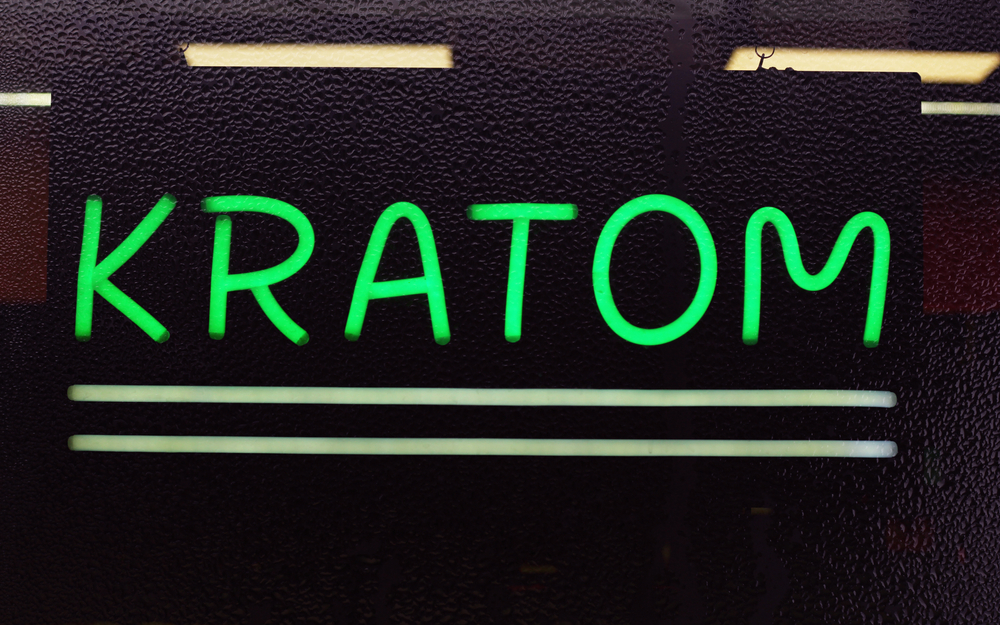
Lafayette County Metro Narcotics confirmed the same substance sat at both scenes: a store-bought package of kratom.
Investigators have been careful with their language, stopping short of saying kratom caused either death. Toxicology reports take weeks.
But a Mississippi police chief cited by Fox News correspondent Madison Scarpino said something that should have been front-page news already.
Eleven prior deaths in northern Mississippi involved kratom found in the victims' systems.
Nobody outside law enforcement was told.
Meanwhile, Ole Miss student Mary Harvey told Fox News she went out to the bars in Oxford Saturday night – watching the Rebels beat LSU – and woke up with no memory of the evening. Passed out in her dorm hallway. Her roommate found her.
"I feel like everything is just kind of getting swept under the rug," Harvey said.
Students are scared. Greek life canceled events. Bars tightened security. Black ribbons outside sorority and fraternity houses.
Kratom Deaths Have Happened Before on College Campuses
In 2017, two Temple University students died of overdoses within days of each other. One was found unresponsive in the school library. The other was found dead in an off-campus apartment.
The medical examiner refused to name the drug involved. Officials wouldn't say if the deaths were connected.
Sound familiar?
Nine years later, a different university, a different state, the same pattern. Two students, two locations, one substance, and officials asking the public not to speculate while the actual danger sat on a shelf the whole time – legal, unregulated, and marketed as harmless.
That's not coincidence. That's what happens when Washington treats an obvious poison like a wellness supplement for a decade.
What Is Kratom, the 'Gas Station Heroin' Linked to the Ole Miss Deaths
Kratom comes from a tree native to Southeast Asia. In small amounts, users describe a mild energy boost. In larger amounts, its compounds bind to the same opioid receptors as heroin and oxycodone.
The FDA has never approved it for any use. Government data already showed a sixfold jump in kratom-related poison control calls between 2016 and 2017. Public health officials have since tallied more than 2,000 kratom-linked overdose deaths in just the two years spanning 2021 to 2023, often layered with other drugs in the system.
South Carolina Attorney General Alan Wilson didn't mince words this week. "As a dad of a college student, this is personal to me," Wilson said, warning families about kratom and synthetic opioids sold legally at convenience stores to anyone 21 and older.
In Mississippi, kratom was never banned statewide. Oxford banned it locally years ago. Packaged retail kratom still turned up at both death scenes this week anyway.
This is not a mystery drug smuggled across a border. This is a product sitting next to the beef jerky.
7-OH Kratom Regulation: Why Washington Waited While Mississippi Acted
Mississippi Gov. Tate Reeves didn't wait for a press conference talking points memo. He ordered toxicology testing on both students expedited and warned that illegal, unregulated drugs have become a major problem on college campuses nationwide.
That's a Republican governor acting within days of two deaths.
Compare that to Washington. The FDA didn't recommend scheduling the most dangerous concentrated kratom compound, 7-hydroxymitragynine, until July 2025 – years after the overdose numbers from 2021 to 2023 were already public. The Biden administration had that data. The Biden FDA sat on it.
It took the Trump administration, FDA Commissioner Marty Makary, and RFK Jr. standing at a podium to finally move on scheduling 7-OH as a controlled substance. States like Florida and Colorado passed their own restrictions faster than Washington could act.
Mississippi still had no statewide law when Robert Strang and Aidan Hamilton died this week.
The federal rulemaking is still pending. Just like the toxicology reports. Just like the answers those two families deserve.
Eleven deaths in northern Mississippi were already on the books before that number ever reached the public. Two more names just got added to a list Washington had a decade to shorten and chose not to.
Sources:
- Adam Sabes and Kelsie Cairns, "Ole Miss deaths, druggings have 'people scared to leave' dorms as bars, Greek life clamp down: students," Fox News, September 24, 2026.
- Madison Scarpino, "Mississippi speeds up testing after kratom found near 2 dead Ole Miss students," Fox News, September 24, 2026.
- Elizabeth Foley, "SC Attorney General warns about illicit drugs after college campus overdose deaths," WCIV, September 24, 2026.
- Associated Press, "Officials: 2 Temple University Students Found Dead In Separate Incidents Both Overdosed," CBS News, December 2017.
- Partnership to End Addiction, "FDA targets kratom compound for regulation," August 2025.
- quick.md, "2026 7-OH & Kratom Ban Update: State Laws and Status," September 17, 2026.
- Rolling Stone, "Kratom Ban: Why Is the DEA Targeting an Opioid Replacement Drug?" July 2026.